

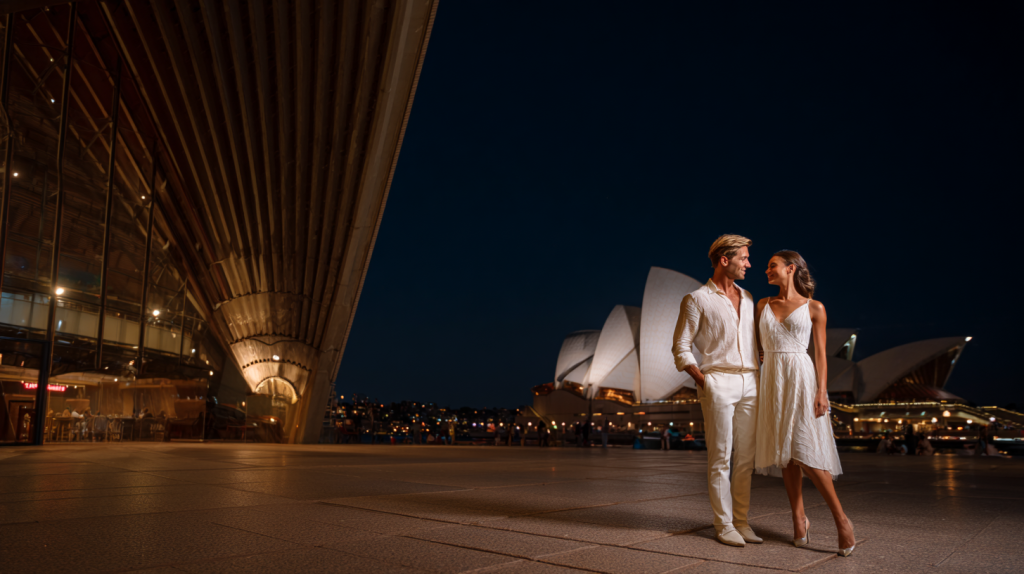
So, you’ve decided to step out and attend your very first dance night in Sydney. You’ve got the courage, the playlist, and maybe even a friend to come with—but there’s one question holding you back: what do you wear?
Choosing the right outfit can make or break your comfort and confidence. Sydney’s climate adds its own twist, with humid evenings, crisp winters, and plenty of in-between weather. This guide will help you dress smart, feel good, and move freely—no matter what the dance floor or forecast brings.
Why What You Wear Matters More Than You Think
For new dancers, the wrong outfit can turn excitement into discomfort fast. Tight jeans, slippery shoes, or heavy fabrics can restrict movement and distract you from the music. The right clothes, on the other hand, help you:
-
Move without restriction.
-
Stay comfortable through changing temperatures.
-
Look confident without feeling over-dressed.
-
Enjoy every minute of your beginner dance experience.
The aim isn’t to impress—it’s to feel at ease, enjoy the rhythm, and stay focused on the fun.
Understanding Sydney’s Dance Night Climate
Sydney’s evenings vary a lot across the year:
-
Summer (Dec–Feb): Warm to hot and often humid. Expect 25–32°C evenings.
-
Autumn (Mar–May): Cooler nights, especially outdoors. 15–22°C typical.
-
Winter (Jun–Aug): Chilly but dry, averaging 8–16°C. Bring layers.
-
Spring (Sep–Nov): Mild and unpredictable. Layers work best.
Most beginner dance nights happen indoors, but warm weather can still make you sweat, especially once you start moving. Air conditioning helps—but so does smart fabric choice.
The Golden Rule: Comfort Before Fashion
Forget complicated outfits. Think simple, breathable, and moveable.
For Women
-
Top: A lightweight blouse, breathable tee, or tank top. Choose moisture-wicking fabric like cotton blends or activewear materials.
-
Bottoms: Stretchy leggings, flowy pants, or mid-length skirts that don’t restrict steps. Avoid tight denim or floor-length hems that trip.
-
Shoes: Low, smooth-soled flats, jazz shoes, or sneakers with flexible soles. Avoid stilettos or sticky rubber soles—they’ll hinder turning and balance.
-
Accessories: Keep jewellery minimal. Dangling earrings or bangles can catch mid-spin.
For Men
-
Top: A breathable button-up or slim-fit polo. Light fabrics like linen or stretch cotton work best.
-
Bottoms: Comfortable chinos or lightweight trousers. Avoid overly loose jeans—they can snag while turning.
-
Shoes: Smooth leather or dance sneakers with minimal tread. A clean, polished pair goes a long way.
-
Extras: A light jacket for outdoors or between dances.
Sydney Weather Tips by Season
🌞 Summer Dance Nights
-
Go for light, breathable fabrics—linen and cotton are your friends.
-
Bring a spare shirt if you’re prone to sweating.
-
Hydration is key. Keep a reusable bottle handy.
-
Stick deodorant in your dance bag. Freshness boosts confidence.
🍂 Autumn
-
Bring a light cardigan or flannel—it cools quickly after sunset.
-
Wear layers you can peel off easily once you warm up.
-
Breathable shoes keep you steady as indoor temps vary.
❄️ Winter
-
Start warm with a layered approach—thermal undershirt, mid-weight top, and light jacket.
-
Wear closed shoes with socks to keep your feet warm before dancing.
-
Once you start moving, the room will warm up quickly—don’t overdress.
🌸 Spring
-
Sydney spring can swing from cool to muggy.
-
Pack a light outer layer (hoodie or cropped jacket).
-
Opt for a top that breathes—synthetic athletic fabrics work well.
Your Dance Bag Essentials
Having a small bag ready saves you from last-minute stress. Include:
-
A towel or face cloth for quick fresh-ups.
-
Deodorant or body spray.
-
Water bottle.
-
Spare shirt or top.
-
Foldable flats or backup shoes.
-
Hair ties or clips (for long hair).
-
Optional: breath mints—dancing is social!
You’ll thank yourself later.
The Psychology of Feeling Good in Your Outfit
Clothes influence mood. When you feel comfortable, your body language opens up. That openness makes you more relaxed, confident, and connected to others on the dance floor.
Studies even show that people move more freely when they feel good in what they’re wearing. You don’t need designer gear—just something that feels “you.”
If you’re unsure, think simple, breathable, and clean. That’s 90% of what works for beginner dancers.
Common Outfit Mistakes to Avoid
-
Wearing jeans with no stretch: They’ll limit hip movement.
-
Heavy perfume or cologne: Strong scents can overwhelm in close spaces.
-
High heels or sticky soles: You’ll struggle to pivot or slide.
-
Loose accessories: They swing, catch, or distract.
-
Overheating layers: You’ll regret them five minutes into the warm-up.
Dressing comfortably is not underdressing—it’s smart dancing.
Transitioning From Practice to Social Night
If you’ve practised at home or done a few lessons already, use that same outfit style for your first dance night. Familiar clothing reduces anxiety.
If you haven’t yet taken lessons, this is a good time to build your basics. Joining structured beginner programs like the Best Beginner Dance Classes Sydney helps you learn posture, balance, and comfort that makes any outfit feel better on the floor.
Caring for Your Dance Clothes
-
Wash gear promptly—sweat and humidity can damage fabrics.
-
Use gentle detergent to preserve elasticity.
-
Air-dry shoes between sessions.
-
Keep a separate laundry bag for dance wear to avoid mixing scents.
A little care keeps your outfits lasting longer and feeling fresh each week.
Bonus: How to Match Your Outfit to Dance Style
-
Salsa / Bachata: Bright colours, lightweight fabrics, minimal layers.
-
Swing / Rock’n’Roll: Vintage flair—flowy skirts or retro shirts.
-
Ballroom basics: Smart-casual elegance; neat lines, no heavy jackets.
-
Latin rhythms: Fitted tops, breathable pants, movement-friendly shoes.
It’s less about fashion accuracy and more about matching the music’s energy.
Conclusion
Dressing for your first Sydney dance night doesn’t need to be complicated. Choose breathable fabrics, flexible shoes, and layers that adapt to the city’s changing weather. The goal is freedom of movement, comfort, and confidence.
When you’re ready to take things beyond outfit prep and learn real steps with guidance, check out the Best Beginner Dance Classes Sydney. You’ll find the same comfort-first approach that helps beginners learn with ease, fun, and flow.
FAQs
Wear breathable fabrics like cotton or linen, lightweight trousers or leggings, and flexible shoes with smooth soles. Sydney’s warm evenings mean you’ll heat up quickly once dancing, so layers you can remove easily work best. Avoid tight jeans, heavy jackets, or sticky-soled shoes that restrict movement. Comfort and mobility are far more important than fashion statements, especially when you’re just starting out.
You can, but only if they have stretch. Regular denim limits hip and knee movement, which can throw off your timing and comfort. Stretch jeans or jeggings are fine if they allow a full range of motion. For most dance styles, lightweight trousers or leggings are better. You’ll feel freer and cooler under Sydney’s indoor lighting and summer humidity.
Choose shoes that glide easily across the floor. Smooth soles—like jazz sneakers, ballroom flats, or clean leather shoes—are ideal. Avoid running shoes with rubber treads or high heels, which can stick or strain your joints. Beginners benefit from flexible soles that let them feel the floor and pivot comfortably.
No. Wear comfortable shoes with smooth soles first. Once you’re sure you’ll keep dancing regularly, you can invest in professional dance shoes. The right pair will improve balance, grip, and turns, but isn’t essential for your first few nights. Most Sydney beginners dance comfortably for months before buying dedicated footwear.
Opt for moisture-wicking fabrics, sleeveless tops, and short sleeves. Keep a spare shirt in your bag to change into halfway through the night if needed. Bring a small towel and stay hydrated. Avoid thick fabrics like denim or polyester that trap heat. A light top and breathable bottoms are best for Sydney’s humid evenings.
Men should wear lightweight shirts—such as linen, cotton, or polos—paired with chinos or stretch trousers. Avoid baggy clothing, which hides body lines and can catch when turning. Footwear should be clean, smooth-soled, and supportive. A neat, casual style shows confidence without looking overdone.
Use light, subtle scents. Remember that dancing involves close contact; strong perfumes or colognes can overwhelm others. A quick freshen-up before class with deodorant or body spray is ideal. If in doubt, less is more. Staying clean and fresh is appreciated by everyone on the dance floor.
Include a towel, deodorant, spare top, water bottle, and light snacks. Add hair ties, breath mints, and plasters for blisters if needed. Keeping these basics handy will make your night more comfortable and let you focus on dancing rather than discomfort or heat.
Yes—activewear is fine, especially for your first few sessions. Leggings or joggers paired with a breathable top are perfect for comfort and flexibility. Avoid overly tight gym wear that restricts movement or slides out of place while turning. Functional, modest activewear works for almost every Sydney dance night.
If you want to feel more confident, join an adult-friendly environment like Best Beginner Dance Classes Sydney. You’ll learn timing, posture, and coordination in a relaxed, social setting. Building confidence in class first helps you enjoy dance nights without fear of missteps.

