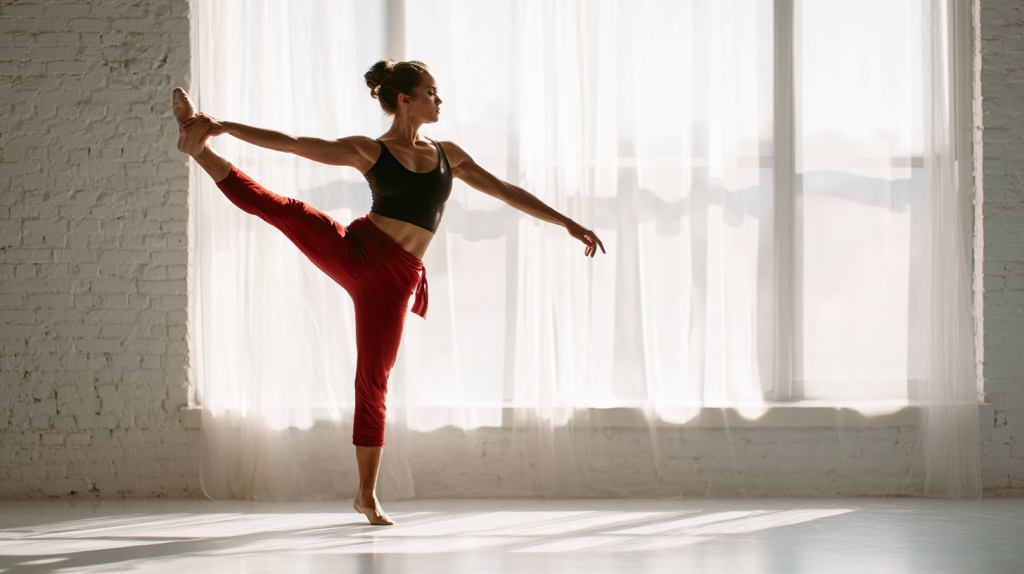
Good balance isn’t something you notice—until you start to lose it. Whether it’s feeling unsteady, tripping easily, or just wanting more control in movement, balance plays a vital role in daily life. The great news? You can improve it naturally through dance.
Dancing trains your muscles, mind, and coordination together. It strengthens your core, improves posture, and builds confidence in how you move. For Sydney adults of all ages, dance offers a simple, low-impact, and enjoyable way to stay steady on your feet.
Here’s how dancing helps you improve balance and stability step by step.
1. Dancing Strengthens Core Muscles
A strong core is key to staying balanced. Every dance movement—turns, steps, and posture—engages your core muscles naturally.
Over time, this strengthens your midsection and stabilises your spine for better control.
2. It Improves Weight Distribution
Dancing teaches you how to shift your weight smoothly from one foot to the other.
This helps you stay grounded and move confidently, reducing the risk of stumbles or missteps in daily life.
3. It Builds Leg and Ankle Strength
Balance begins from the ground up. Dancing develops strong legs and ankles through repetition and controlled movement, helping you maintain stability on different surfaces.
These stronger lower-body muscles protect against falls and fatigue.
4. It Enhances Coordination and Awareness
Dance improves your ability to sense where your body is in space—a skill known as proprioception.
That awareness makes movement smoother, steadier, and more controlled, improving posture and preventing wobbling.
5. It Trains Reflexes and Reaction Time
Dancing requires quick adjustments to rhythm, timing, and steps.
This improves reflexes and agility, making your reactions faster and more accurate when you lose balance or face uneven terrain.
6. Partner Dancing Teaches Connection and Support
Partner dancing builds shared balance. You learn how to stay aligned and coordinated with another person’s rhythm.
That connection teaches trust, timing, and awareness—all key for stable movement.
At Best Beginner Dance Classes Sydney, adults learn balance and coordination through guided, step-by-step instruction in a safe, friendly space.
7. It Improves Posture
Good posture supports balance. Dancing trains your body to stand tall, align the spine, and distribute weight evenly, improving overall stability and confidence in movement.
8. It Helps Prevent Falls
Dancing combines strength, coordination, and awareness—all proven to reduce the risk of falls, especially as we age.
It keeps reflexes sharp and the body responsive, making everyday movement easier and safer.
9. It Promotes Mind-Body Connection
When you dance, you focus on movement, rhythm, and breath. This focus strengthens your connection to your body, helping you move with more purpose and control.
10. It Builds Confidence in Motion
Perhaps the biggest benefit of all—dancing replaces hesitation with confidence.
As your balance improves, you’ll feel more sure-footed and capable in everything from walking to social dancing.
How to Improve Balance and Stability Through Dance
-
Start slow. Focus on posture and control before speed.
-
Practise regularly. Two or three sessions per week build long-term improvement.
-
Stay mindful. Focus on breathing and smooth, grounded movement.
At Best Beginner Dance Classes Sydney, beginners improve balance and stability through easy, guided lessons that strengthen the body safely and effectively.
Conclusion
Balance and stability are the foundation of confident movement—and dancing is the most enjoyable way to build both.
Through rhythm, coordination, and focus, dance helps you feel steady, strong, and in control at any age.
If you want to move with confidence and ease, start dancing today.
Join Best Beginner Dance Classes Sydney and experience how every step strengthens your balance, posture, and peace of mind.
FAQs
Yes. Dancing strengthens your core, legs, and posture, all of which are essential for maintaining balance and stability in daily life.
Absolutely. Dancing trains coordination, flexibility, and reflexes, helping maintain mobility and reduce the risk of falls in older adults.
Yes. Partner dancing enhances awareness, connection, and shared stability while helping you practise coordination safely.
Ballroom, Rumba, and Waltz feature smooth, flowing movements that strengthen posture and promote balance control.
Yes. Beginner classes are designed for all levels. Instructors provide step-by-step guidance to help you build confidence gradually.
Definitely. Dancing builds strength, coordination, and faster reaction time—all of which reduce the likelihood of falls.
With regular dancing, many adults notice steadier movement and better coordination within a few weeks.
Yes. Dancing improves spinal alignment and muscle control, helping correct posture imbalances that affect stability.
Yes. Dancing is low-impact and can be adjusted to accommodate stiffness or mild joint discomfort while still improving mobility.
Join Best Beginner Dance Classes Sydney. Their supportive lessons help adults improve strength, balance, and coordination safely.