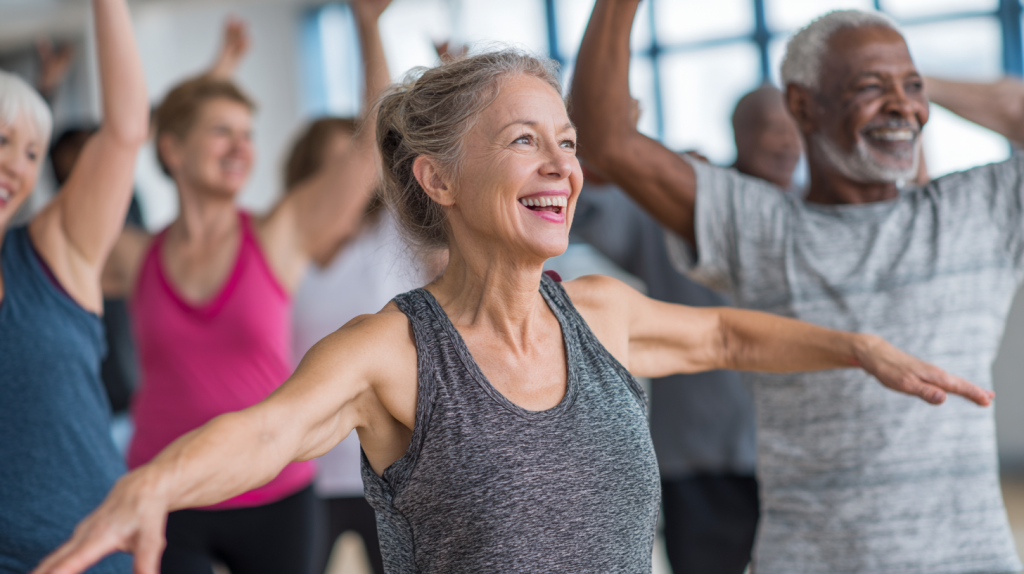
As we age, joint stiffness and discomfort can limit movement and confidence. But staying still only makes it worse. The secret to keeping joints healthy is gentle, consistent movement—and dancing offers exactly that.
Dancing is low-impact, easy on the joints, and helps keep them flexible, lubricated, and strong. For Sydney adults looking to protect mobility and reduce joint pain, dance is one of the most enjoyable and sustainable ways to stay active safely.
Here’s how dancing supports joint health and long-term movement freedom.
1. Dancing Keeps Joints Lubricated
Movement stimulates the production of synovial fluid, which lubricates joints and reduces stiffness.
Dancing helps this process naturally by encouraging smooth, consistent motion across multiple joints—from hips and knees to shoulders and ankles.
2. It Strengthens Supporting Muscles
Strong muscles protect joints from excess strain. Dancing builds leg, hip, and core strength, helping stabilise joints and improve overall balance.
This support reduces stress on the knees and lower back.
3. It Improves Range of Motion
Joint health depends on flexibility. Dancing involves gentle bending, rotation, and extension, which maintain mobility and prevent tightness from everyday sitting or inactivity.
The more you move, the easier movement becomes.
4. It’s Low-Impact but Effective
Unlike running or jumping workouts, dancing offers smooth transitions that minimise pressure on joints while still delivering cardiovascular and muscular benefits.
It’s an ideal activity for adults who want to stay active without pain or risk.
5. It Improves Balance and Coordination
Falls and sudden movements can harm joints. Dancing improves stability and reflexes, reducing the likelihood of awkward twists or stumbles.
Stronger balance means safer joints.
6. It Encourages Better Posture and Alignment
Many joint issues start with poor alignment. Dancing teaches correct posture—stacking the spine, engaging the core, and distributing weight evenly.
This realignment reduces joint strain, especially in the knees and hips.
7. Partner Dancing Builds Controlled Movement
Partner dancing enhances joint control by encouraging mindful, deliberate steps.
You learn how to move smoothly and stay aware of balance and weight shifts—skills that protect your joints during daily movement.
At Best Beginner Dance Classes Sydney, adults practise low-impact movement that strengthens muscles and supports joint comfort without stress or strain.
8. It Reduces Stiffness from Sedentary Habits
Sitting for long periods limits circulation and causes joint stiffness. Dancing reverses that effect by increasing blood flow, improving oxygen delivery, and keeping your body mobile and supple.
Just a few sessions each week can make a noticeable difference.
9. It Supports Weight Management
Extra weight puts pressure on joints. Dancing helps maintain a healthy weight while keeping your joints active and supported, reducing long-term wear and tear.
10. It Makes Joint Care Fun and Sustainable
Because dancing is enjoyable, you’re more likely to stick with it.
Regular movement keeps joints happy, healthy, and strong—without the need for high-impact workouts or gym routines.
How to Support Joint Health Through Dance
-
Start slow. Begin with short, gentle sessions to warm up joints.
-
Focus on form. Move smoothly and maintain alignment.
-
Stay consistent. Regular, moderate movement is best for joint strength.
At Best Beginner Dance Classes Sydney, beginner programs are designed to improve mobility, reduce stiffness, and protect joint health through rhythm and guided movement.
Conclusion
Healthy joints are the key to lifelong movement. Dancing keeps them flexible, supported, and strong—without strain or pain.
Through rhythm, balance, and gentle motion, you’ll feel more agile and confident in everyday life.
If you want to move freely and protect your joints naturally, it’s time to dance.
Join Best Beginner Dance Classes Sydney and discover how low-impact movement can help you stay active, mobile, and pain-free.
FAQs
Yes. Dancing is low-impact and gentle on joints. It improves strength and flexibility without causing strain or discomfort.
Absolutely. Dancing increases flexibility, reduces stiffness, and strengthens muscles around the joints, which can ease arthritis symptoms.
Yes. Dancing involves full-body motion that keeps joints flexible and improves range of movement in a safe, enjoyable way.
For many people, yes. Dancing combines strength, coordination, and rhythm while remaining gentle on knees and hips.
Ballroom, Rumba, and Slow Waltz are ideal because they use smooth, controlled movements that reduce joint stress.
Yes. Instructors can modify steps to minimise strain while helping you build muscle support around the joints safely.
Definitely. Dancing increases circulation and movement, helping loosen stiff muscles and joints from prolonged sitting.
Yes. Dance styles that involve gentle hip rotation and balance improve flexibility and stability in the hip area.
Two or three sessions weekly can significantly improve flexibility, mobility, and overall joint comfort.
Join Best Beginner Dance Classes Sydney. Their classes help adults strengthen joints, improve mobility, and move confidently without strain.