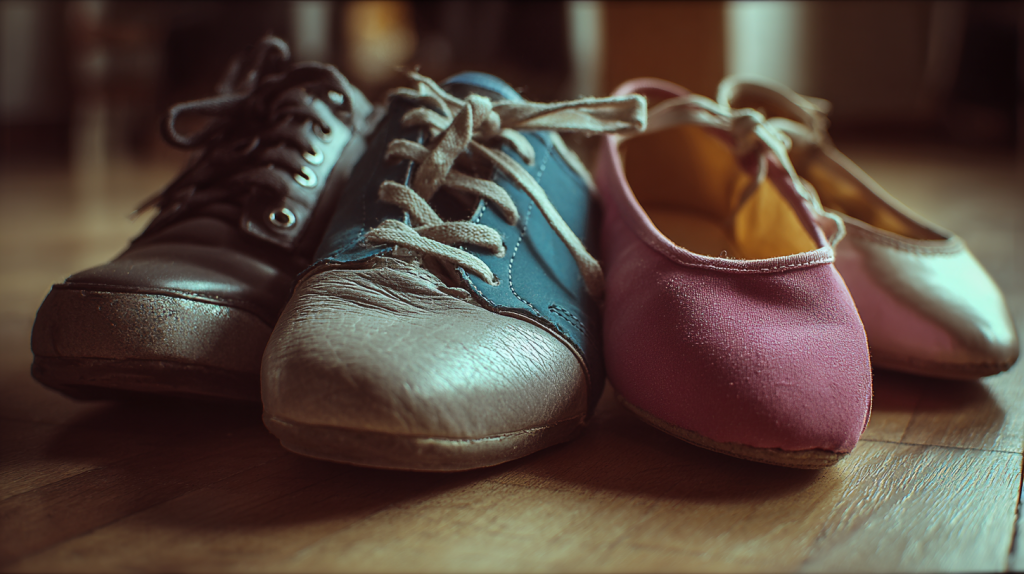
One of the first questions beginner dancers ask is: “Do I need special shoes?”
The truth is, not right away. You can start dancing in what you already own—but knowing what works (and what doesn’t) can save you money, comfort, and even prevent injuries down the line.
This guide explains the pros and cons of different footwear options, when to upgrade, and how Sydney beginners can find affordable shoes that help them move better and feel more confident on the dance floor.
Why Dance Shoes Matter
Shoes are your connection to the floor. The right pair helps you glide, turn, and stay balanced without strain. The wrong pair makes even simple steps feel awkward or tiring.
The ideal dance shoe should:
-
Support your feet without restricting movement.
-
Allow smooth pivots and slides.
-
Feel secure—but not tight.
-
Keep you stable, especially during turns.
You don’t need to spend hundreds of dollars, but understanding the basics helps you choose smartly.
Option 1: Sneakers — Best for Starting Out
Pros
-
Everyone already owns a pair.
-
Great support for arches and ankles.
-
Comfortable for long sessions.
Cons
-
Rubber soles can stick to the floor, making turns difficult.
-
Too much grip increases knee strain.
-
Bulky soles reduce floor feel.
Best choice: Smooth-soled fashion sneakers or indoor trainers with minimal tread.
Avoid: Running shoes or gym trainers with heavy traction.
If you’re attending structured lessons like Best Beginner Dance Classes Sydney, sneakers are perfectly fine for your first few weeks.
Option 2: Flats — The Hidden Gem
Flats are an underrated option, especially for social or Latin dance beginners.
Pros
-
Flexible, light, and easy to move in.
-
Usually smooth-bottomed for gliding.
-
Inexpensive and easy to replace.
Cons
-
Minimal arch support.
-
Some styles can slip off during turns.
Tip: Look for soft ballet flats, jazz shoes, or loafers with suede or leather soles.
They’ll let you pivot comfortably and help you “feel” the floor better.
Option 3: Heels — For Style and Advanced Stability
Heels are common in Latin or Ballroom styles, but they’re not a must for beginners.
Pros
-
Help with posture and weight placement.
-
Add elegance to movement.
-
Designed for smooth turns.
Cons
-
Require balance and practice.
-
Can strain feet if worn too early or too long.
If you want to try heels, start with low dance heels (2 inches or less) with ankle straps for support. Avoid fashion heels—they’re unstable and not made for movement.
When to Upgrade to Real Dance Shoes
After 2–3 months of regular dancing, you’ll notice what your current shoes lack—maybe grip, comfort, or support. That’s the time to invest in proper dance shoes.
Look for brands that offer:
-
Suede or leather soles for smoother gliding.
-
Cushioned insoles.
-
Adjustable straps for security.
-
Breathable materials for comfort.
Prices in Sydney range from $80–$150 for quality beginner pairs, but they last for years if cared for properly.
Budget-Friendly Alternatives
You don’t have to spend much to improve your dance experience. Try these ideas:
-
Shoe covers: Slip suede or fabric covers over sneakers to mimic dance soles (around $20).
-
Thrift stores: Gently used dance shoes often cost less than half retail.
-
Sales & clearance: Many Sydney studios partner with suppliers who offer discounts to students.
The team at Best Beginner Dance Classes Sydney can recommend reliable local stores where students regularly find deals.
Caring for Your Dance Shoes
Your shoes last longer if you treat them well.
-
Use a separate bag for them—don’t wear them outdoors.
-
Brush suede soles with a soft brush to keep them clean.
-
Let them air out after each session.
-
Replace heel tips or soles as soon as they wear down.
A bit of maintenance saves money and keeps your movement consistent.
Common Mistakes Beginners Make
-
Wearing street shoes on dance floors. Dirt and grit damage flooring and soles.
-
Choosing heavy footwear. Thick soles dull your connection to the beat.
-
Buying heels too early. Build strength first in flats or sneakers.
-
Ignoring comfort. Style means nothing if your feet ache after 10 minutes.
Try Before You Buy
Before purchasing, try dancing a few steps in them:
-
Do they let you pivot easily?
-
Do you feel stable during side steps?
-
Do your toes have space?
If they pass all three tests, they’re a winner.
Conclusion
Your shoes don’t need to be fancy—just functional. Start simple with comfortable sneakers or flats, and only invest in proper dance shoes once you’ve developed your foundation.
The goal is to move freely and confidently, not to match a certain look. When you’re ready to take your next steps, visit Best Beginner Dance Classes Sydney for guidance from instructors who can help you find the perfect fit for your style and comfort.
FAQs
No. Beginners can start with comfortable, smooth-soled sneakers or flats. Real dance shoes become helpful after a few months once you understand your needs and preferences.
Smooth-soled sneakers or soft flats are ideal. They provide flexibility and comfort without too much grip. Avoid heavy trainers or shoes with thick rubber soles, which can make turning difficult.
It’s better to wait. High heels change your balance and increase the chance of foot strain if you’re still learning. Start with low shoes, then try low-heeled dance footwear once you feel confident.
If your knees twist or you feel stuck during turns, your soles have too much traction. You should be able to pivot smoothly without resistance. Switching to suede soles or lighter flats helps immediately.
Eventually, yes—but not right away. Premium shoes offer better balance and comfort for frequent dancers. Beginners can start with budget-friendly or second-hand pairs until dancing becomes a regular habit.
Add suede or fabric shoe covers. These slip over your soles, reducing grip and mimicking a real dance shoe feel. They’re cheap, removable, and protect your joints when turning on sticky floors.
Try local dancewear stores, thrift shops, or ask your instructor for recommendations. Some studios, including Best Beginner Dance Classes Sydney, have supplier partnerships offering student discounts.
With regular use (1–2 times weekly), expect 1–2 years before needing a replacement. Clean them often, store them in a bag, and avoid outdoor wear to extend lifespan.
Yes, for small-space practice. Socks help you pivot smoothly on certain surfaces, but be cautious of slipping. Avoid barefoot dancing on rough floors to protect your skin.
Dance shoes have smoother soles for easier turning, balanced weight distribution, and flexible arches. Regular shoes are designed for traction and impact—qualities that can hinder fluid dance movement.