

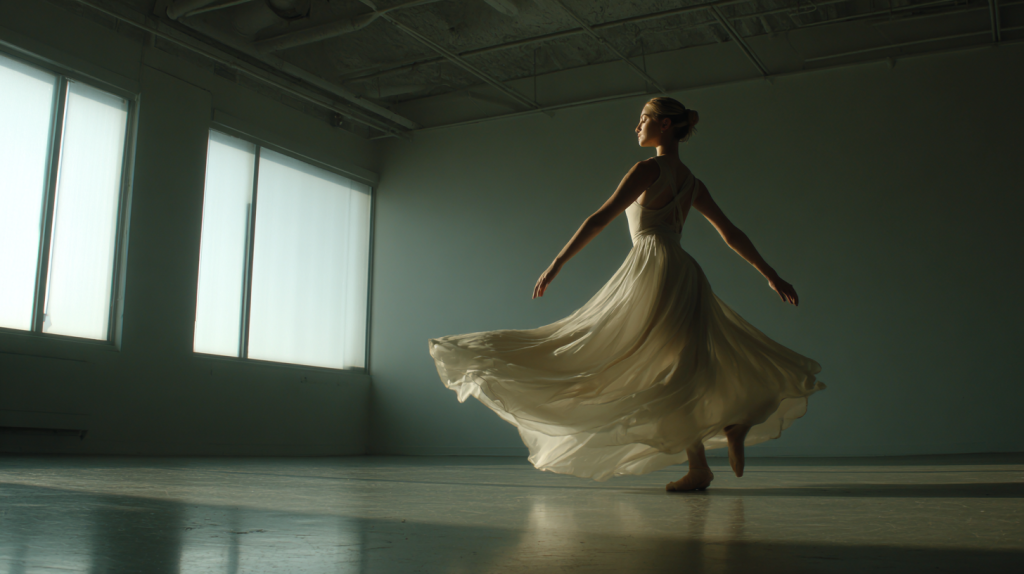
Life often feels like a balancing act—between work, relationships, and personal responsibilities, emotions can become overwhelming. The good news is that balance isn’t found by standing still—it’s found in movement.
Dancing helps restore emotional balance by reconnecting mind and body. It gives you space to release stress, express emotions, and centre yourself again. For Sydney adults juggling daily pressures, dance offers a natural, joyful way to feel calm and grounded.
Here’s how dancing helps you manage emotions, reduce tension, and find inner steadiness.
1. Dancing Helps You Release, Not Repress
When emotions build up, your body feels it—tight shoulders, shallow breathing, tension in the jaw. Dancing releases these feelings physically.
Each movement helps you let go of what you’ve been holding inside, turning emotional energy into flow and freedom.
2. It Regulates Stress and Anxiety
Dance lowers cortisol (the stress hormone) and increases endorphins and serotonin.
This natural hormonal shift calms your nervous system, reduces anxiety, and brings a lasting sense of peace—even after the music stops.
3. It Creates Mind-Body Connection
Emotional imbalance often happens when the mind and body feel disconnected. Dancing restores that link.
You become more aware of how emotions show up physically, helping you understand and manage them instead of suppressing them.
4. It Builds Emotional Awareness
When you move, you notice subtle feelings—restlessness, joy, sadness, calm.
This awareness helps you identify emotions early, making it easier to respond with balance instead of reaction.
5. Music Guides Emotional Release
Music has the power to shift mood instantly. Slow rhythms calm you, upbeat songs energise you, and expressive melodies help you process deep emotion.
Dance amplifies that connection, allowing music to guide your emotions into harmony.
6. Partner Dancing Builds Trust and Balance
Dancing with a partner encourages communication, empathy, and connection.
It’s an exercise in trust—learning to lead, follow, and move together with ease. That balance between giving and receiving mirrors emotional stability in everyday relationships.
At Best Beginner Dance Classes Sydney, adults experience that sense of connection and calm in a supportive, friendly space designed to nurture confidence and awareness.
7. It Grounds You in the Present Moment
Dancing draws your attention to the here and now—your breath, your rhythm, your movement.
This mindfulness reduces emotional clutter and creates a calm, focused state that keeps stress and worry at bay.
8. It Encourages Joy and Playfulness
Balance isn’t just about calm—it’s also about joy. Dancing reintroduces playfulness into your routine, helping you feel light and alive again.
That simple sense of fun can restore optimism and emotional energy.
9. It Builds Resilience Through Movement
Dancing teaches flexibility—physically and emotionally. You learn to adjust, recover from mistakes, and stay in rhythm.
This resilience helps you handle life’s ups and downs with more ease and grace.
10. It Connects You to Community
Sharing movement with others reminds you that you’re not alone. The sense of belonging and connection that comes from dancing together supports emotional wellbeing in powerful ways.
How to Use Dance for Emotional Balance
-
Dance regularly. Consistency builds calm and clarity.
-
Choose music that matches your mood. Let emotion lead your movement.
-
Focus on feeling, not perfection. The goal is release, not performance.
At Best Beginner Dance Classes Sydney, classes are designed to help adults find emotional balance through gentle, enjoyable movement guided by rhythm and connection.
Conclusion
Emotional balance doesn’t come from holding still—it comes from learning to move through life with awareness and flow.
Dancing helps you release stress, express emotion, and find calm through rhythm and connection.
If you’re ready to feel more centred, light, and grounded, step into the music and let your emotions move freely.
Join Best Beginner Dance Classes Sydney and discover how dance can bring calm, clarity, and joy back into your week.
FAQs
Yes. Dancing releases tension, lowers stress hormones, and increases endorphins, helping restore calm and emotional stability naturally.
Movement helps process emotions physically. When you dance, your body releases tension and reconnects with feelings, promoting balance and awareness.
No. The benefits come from movement itself, not skill. Even simple dancing helps you express and regulate emotions safely.
Absolutely. Dancing lowers cortisol, improves breathing, and releases endorphins that calm the mind and body quickly and naturally.
Yes. Partner dancing teaches trust, empathy, and cooperation—all important for emotional connection and balance in relationships.
Slow, expressive styles like Rumba, Waltz, or even free-flow movement are excellent for relaxation and emotional awareness.
Yes. Regular dancing increases serotonin levels and emotional resilience, helping maintain balance and a positive outlook over time.
Definitely. Dancing is a safe, healthy way to manage stress, release emotions, and rebuild inner calm without pressure or competition.
Two classes a week is ideal, but even short sessions at home can restore calm and reduce stress effectively.
Visit Best Beginner Dance Classes Sydney. Their classes help adults find peace, energy, and balance through music and movement.

