

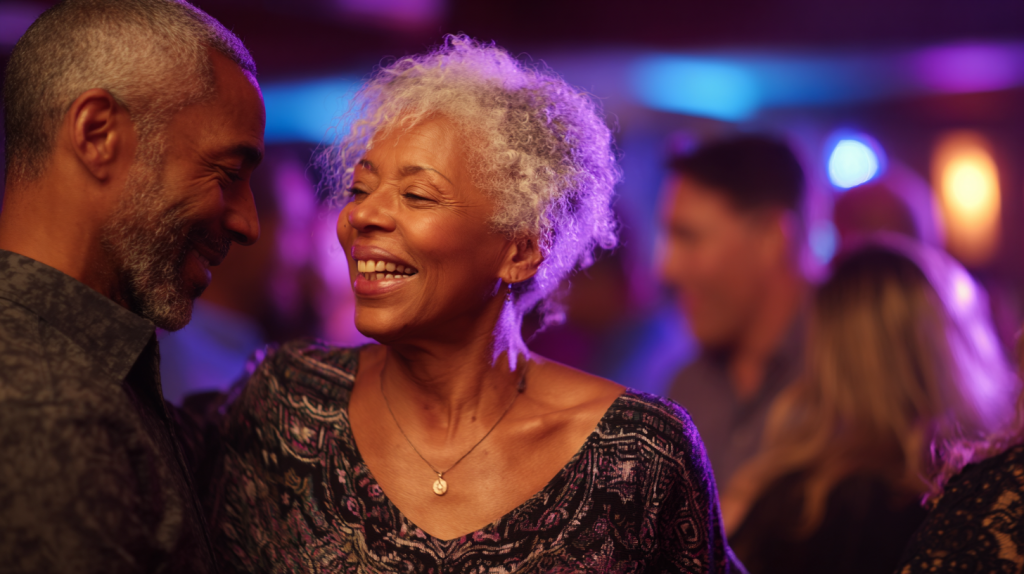
We all experience emotional ups and downs—stress, sadness, or just feeling stuck. While talking helps, sometimes words aren’t enough. That’s where dance steps in.
Dancing allows emotions to move through you instead of staying trapped inside. It’s one of the most natural ways to release tension, lift mood, and reconnect with happiness. For Sydney adults managing busy, high-pressure lives, dance can be a refreshing, healing outlet that brings balance back.
Here’s how dancing supports emotional wellbeing and helps you feel calm, centred, and joyful again.
1. Dancing Releases Stored Emotion
The body remembers everything—stress, worry, even unspoken feelings. Dancing helps release those emotions through movement, not words.
Each step, turn, or sway is a physical way of letting go. By moving, you process what your mind holds onto, freeing both body and emotion.
2. Music Acts as Emotional Therapy
Music reaches the parts of the mind that words can’t. It guides emotion, softens tension, and lifts energy.
When you combine rhythm with motion, it becomes therapy in action—helping you feel, express, and reset.
The result? Emotional release that feels joyful, not heavy.
3. It Boosts Mood Naturally
Dance increases endorphins and serotonin, the body’s natural mood enhancers. Within minutes, your mind shifts from stress to positivity.
Regular dancing builds lasting emotional stability, helping you handle challenges with calm and optimism.
4. It Reduces Anxiety and Mental Overload
When you dance, you focus on rhythm and movement instead of thoughts.
That mental break slows racing thoughts, calms the nervous system, and reduces anxiety—helping you find peace through presence.
5. Movement Builds Self-Awareness
Dancing deepens your connection to your emotions. You learn to notice where tension lives in your body and how different movements change how you feel.
This awareness helps you respond to emotions with understanding instead of resistance.
6. Partner Dancing Teaches Emotional Balance
Partner dance builds trust and connection. You learn to lead and follow, to support and respond—skills that mirror healthy emotional communication.
These small lessons in movement create big lessons in empathy, patience, and self-regulation.
At Best Beginner Dance Classes Sydney, adults experience both movement and connection in a calm, encouraging environment that supports emotional growth.
7. Dancing Encourages Joy and Playfulness
Joy is essential for emotional wellbeing. Dancing brings back the lightness of play—laughing, moving, and simply enjoying music again.
It reminds you that wellbeing isn’t about perfection—it’s about presence, freedom, and fun.
8. It Helps Process Stress Physically
Stress often shows up as tight muscles and shallow breathing. Dancing opens the body, releases energy, and restores natural breathing rhythm.
That physical release signals your brain that it’s safe to relax, helping both body and mind recover from tension.
9. It Builds Confidence and Self-Love
Moving to music helps you appreciate your body for what it can do, not how it looks.
That appreciation grows into self-respect and confidence—two powerful drivers of emotional wellbeing.
10. It Connects You with Others
Humans heal through connection. Dancing in a group or with a partner reminds you that you’re not alone. Shared rhythm creates belonging and lifts collective energy.
Those connections nurture happiness and emotional balance long after class ends.
How to Use Dance for Emotional Wellbeing
-
Start with music that matches your mood. Move gently and let your body express what you feel.
-
Stay consistent. Regular dancing builds long-term calm and positivity.
-
Join a community. Dancing with others amplifies joy and connection.
At Best Beginner Dance Classes Sydney, classes are designed to help adults de-stress, express, and rediscover emotional freedom through safe, mindful movement.
Conclusion
Dancing is one of the simplest, most uplifting ways to care for your emotional wellbeing.
It combines movement, music, and connection to create joy, release stress, and restore balance. Each step is a reminder that your body knows how to heal—it just needs rhythm to guide it.
If you’re ready to feel lighter and happier, start dancing.
Join Best Beginner Dance Classes Sydney and discover how music and movement can support your emotional wellbeing every week.
FAQs
Yes. Dancing reduces stress hormones, increases endorphins, and provides a creative outlet for emotional expression and release.
No. Even simple movements to music can boost mood and wellbeing. Beginner classes focus on comfort and expression, not performance.
Music influences brain chemistry, shaping emotions. When combined with movement, it helps release stored tension and lift mood instantly.
For many, yes. Dancing combines mindfulness with movement, helping you process emotions while staying active and engaged.
Absolutely. Dancing calms the nervous system, improves breathing, and releases physical tension, which reduces symptoms of stress and anxiety.
That’s normal. A welcoming, judgment-free environment helps you relax. As you move, self-consciousness fades and freedom grows.
Even one class a week can lift mood. Regular participation—two or three times weekly—creates lasting emotional benefits.
Yes. Partner dancing builds trust and connection, helping you release tension and feel emotionally supported through shared rhythm.
No. Dancing complements professional therapy by providing physical and emotional release. It’s a supportive, holistic wellness practice.
Visit Best Beginner Dance Classes Sydney. Their sessions help adults relax, express, and restore emotional balance through dance.

