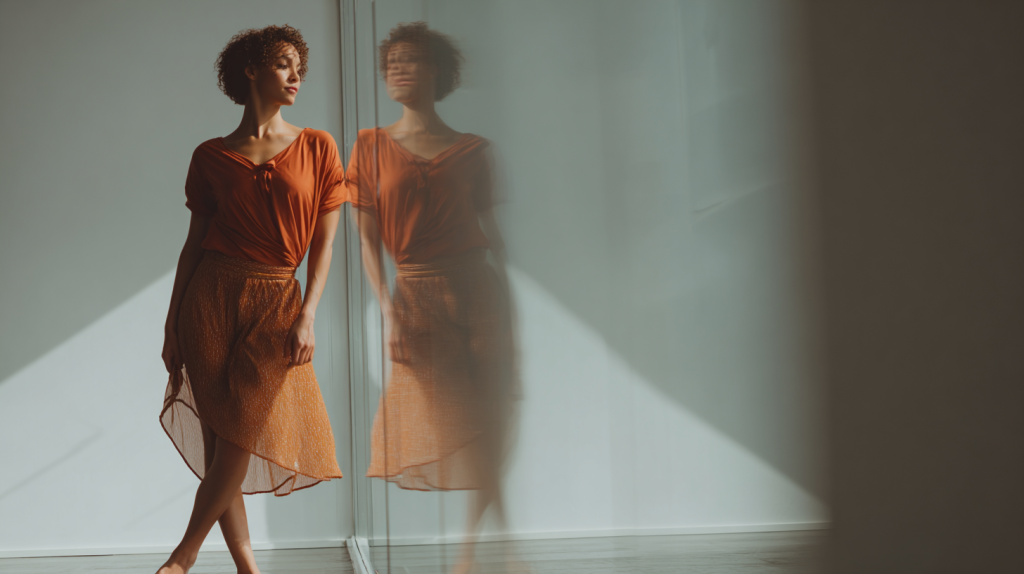
Many people hesitate to start dancing because they don’t have a partner. In reality, learning to dance solo is one of the smartest ways to build rhythm, confidence, and coordination before stepping into a social setting. Whether you’re preparing for a Sydney dance night or your first group session, solo practice gives you a strong foundation and removes the fear of “messing up” in front of others.
This guide breaks down why solo practice works, how to do it effectively, and how it can make your first social dance in Sydney a fun, pressure-free experience.
Why Solo Practice Builds Better Dancers
Dancing with a partner is fun—but dancing for yourself teaches you control and awareness. When you practise solo, you develop:
-
Timing and rhythm: You learn to stay on beat without relying on someone else.
-
Balance and coordination: You discover how to shift your weight properly.
-
Confidence: You remove the fear of judgment and enjoy movement freely.
-
Body memory: Repetition helps your body “remember” steps automatically.
Once you join a group or social event, your body already knows what to do. That’s what makes confident social dancers stand out—they’ve built comfort through solo repetition first.
The Science Behind It
When you move solo, your brain links rhythm, balance, and coordination directly. Studies on motor learning show that individual repetition improves movement quality faster than paired training at early stages.
In other words, the more you practise alone, the more your body understands patterns before anyone else enters the picture.
Simple Solo Drills to Practise at Home
You don’t need mirrors, fancy shoes, or a huge space. All you need is consistency and music that makes you feel good.
1. Basic Weight Shift Drill
Step side-to-side slowly with the beat. Focus on transferring your full weight each time. This teaches control and balance.
2. Quarter Turns
Pivot gently on the ball of one foot while turning 90 degrees. Keep knees soft. Repeat both directions. This helps with spins later.
3. Posture Reset
Stand tall. Roll your shoulders back, engage your core, and relax your jaw. Repeat between drills to keep awareness high.
4. Timing Ladder
March to a slow song, then a medium, then a fast one. This trains your ability to adapt to different rhythms easily.
5. Arm Styling Practice
Use a mirror if available. Try extending your arms smoothly as you move, without stiffness. It builds fluidity and grace.
Spend 10–15 minutes, 3–4 times a week. You’ll feel noticeable improvement within two weeks.
How Solo Work Translates to Partner Dancing
When you finally dance with someone, solo practice gives you:
-
Clearer signals: You move intentionally, making it easy for partners to read your steps.
-
Relaxed frame: You know how to hold posture without tension.
-
Adaptability: You can adjust your timing quickly when music changes.
At social events or in group sessions like Best Beginner Dance Classes Sydney, these skills help you connect naturally. You’ll feel less dependent and more aware of how your body moves.
What to Practise When You Don’t Know the Steps Yet
Even if you haven’t learned formal dance patterns, you can still build muscle memory. Try practising:
-
Basic rhythm swaying: Side-to-side to any 4-count song.
-
Foot-tap isolation: Keep upper body steady while moving feet to the beat.
-
Body awareness: Film yourself for 20 seconds to notice balance and posture.
The goal isn’t perfection—it’s comfort in motion.
Solo Confidence = Social Confidence
Most beginners fear partner dancing because they worry about being judged. But when you’ve spent time practising solo, you know what your body can do. That assurance radiates confidence, even before you take your first step with someone else.
Confidence attracts good experiences. Social dancing is far less about perfect steps and far more about energy and comfort.
Tools and Music Suggestions
-
Music: Choose songs with steady beats—pop, Latin, swing, or funk work well.
-
Floor: Smooth surfaces like timber or vinyl help you glide better.
-
Shoes: Light sneakers or dance flats with minimal grip.
-
Timer or app: Use a 15-minute daily reminder to move.
You’ll quickly form a sustainable habit that fits easily into your Sydney lifestyle.
What to Expect at Your First Social Dance
After a few weeks of solo practice, your first group class or dance night will feel easier than you imagine. You’ll already understand rhythm, posture, and coordination.
Instructors at Best Beginner Dance Classes Sydney guide you through connection techniques, footwork, and timing. Having that solo foundation allows you to focus on the fun parts—meeting people, laughing at mistakes, and enjoying the music.
Conclusion
Don’t let the absence of a dance partner stop you from starting. Solo practice is your best preparation tool—it builds rhythm, strength, and confidence before you ever step into a class.
Remember, dancing starts with you. The partner, the crowd, and the lights come later. Your movement and mindset are what matter most. So, put on a song tonight, take that first step, and let your living room become your practice floor.
FAQs
Yes. Many foundational skills—rhythm, posture, and timing—are developed solo. Partner work comes later and feels easier once you’re comfortable moving alone. Solo drills build awareness, control, and balance, which transfer directly to social or partner dancing. You can absolutely start dancing confidently without needing anyone else to join you first.
Start with 10–15 minutes, three to four times a week. Consistency is more important than duration. The more regularly you move, the quicker your coordination improves. With steady effort, you’ll notice progress in rhythm and balance within two weeks.
Choose songs with clear rhythms—Latin, pop, funk, or swing are great options. The key is steady beats between 90–120 BPM. These tempos make timing easier for beginners and keep sessions enjoyable. As you progress, try different genres to challenge your musicality.
No. A small area at home, about two square metres, is enough. Use smooth flooring, wear comfortable shoes, and play your favourite music. Optional items like a mirror or phone camera can help you track posture and balance, but they aren’t essential.
Solo training improves timing, coordination, and self-awareness, making you a steadier partner. When both dancers can maintain their own balance and rhythm, connection becomes effortless. It also reduces anxiety since you know your moves well before social dancing.
Absolutely. It boosts cardiovascular health, flexibility, and coordination while being fun and low-impact. A short solo dance session can burn calories, improve posture, and relieve stress. Many Sydney adults use solo dancing as their main form of exercise.
That’s completely normal. Everyone feels self-conscious at first. Start small—two songs in your living room. The more you practise, the faster that awkwardness fades. Confidence grows from repetition and enjoyment, not external validation. Focus on movement, not judgment.
Yes, recording short clips can help identify posture issues or timing lapses. Keep it light-hearted—it’s for feedback, not perfection. Many dancers find that watching themselves weekly helps track progress and builds motivation.
Definitely. Mixing genres—like Salsa one day and Swing the next—builds rhythm adaptability. It prevents boredom and helps you discover which music styles you naturally connect with. Variety keeps practice fun and sustainable.
Join a supportive beginner environment like Best Beginner Dance Classes Sydney. The instructors make it easy to apply your solo skills in a social setting, guiding posture, timing, and comfort so your first experience feels natural and enjoyable.