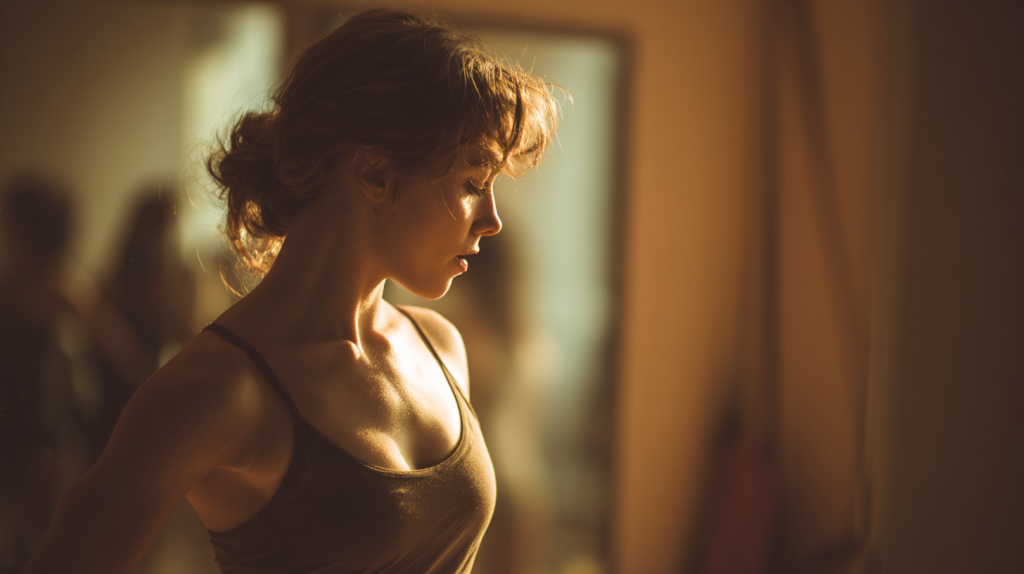
For many adults, the idea of stepping into a dance class feels more intimidating than exciting. The thought of being watched, judged, or making mistakes in public can trigger anxiety—even if you secretly love the idea of dancing.
The truth is, you don’t need to be outgoing or fearless to enjoy dance. There are calm, friendly ways to start that let you build confidence quietly and comfortably. This guide will show you how to ease into dancing in Sydney—even if you’re shy, anxious, or completely new.
Understanding Dance Anxiety
You’re not alone. Many adults feel nervous before their first class. Common fears include:
-
“Everyone will stare at me.”
-
“I’ll forget the steps.”
-
“I’m not coordinated.”
The good news? Every single person in a beginner class feels the same at first. Once the music starts, people are too focused on their own feet to notice anyone else.
At inclusive studios like Best Beginner Dance Classes Sydney, teachers understand these nerves and structure classes to be gentle, supportive, and fun.
Why Dancing Helps With Confidence
Dancing rewires how you relate to your body. As you practise, your focus shifts from self-consciousness to connection and enjoyment. Movement releases endorphins that reduce stress and increase confidence.
You start standing taller. You breathe easier. And soon, what felt terrifying becomes something you genuinely look forward to.
Step 1: Start Small, Start Solo
You don’t have to start in a crowded class. Begin privately at home with simple drills:
-
Sway to music for a few minutes daily.
-
Watch YouTube tutorials to get familiar with rhythm.
-
Practise posture: roll shoulders back, stand tall, and breathe.
Familiarity reduces fear. Once you’ve moved alone a few times, you’ll feel calmer trying it with others.
Step 2: Choose the Right Environment
Not every dance space is the same. Look for a studio that feels warm, not competitive.
In Sydney, smaller adult-focused studios such as CareToDance are ideal because they focus on progress, not perfection. Beginners start with simple, slow-paced lessons that prioritise comfort and confidence.
When you walk into a welcoming room, anxiety fades quickly.
Step 3: Go With a Friend (or Meet One There)
Having a friend join can make the experience lighter and less pressured. You can laugh together, share mistakes, and celebrate small wins.
If you go alone, remember: dance communities are famously friendly. You’ll often meet like-minded adults who also started shy. Before long, you’ll find yourself chatting between songs like you’ve known them for years.
Step 4: Pick a Calm Dance Style
Some styles are naturally more relaxed and introvert-friendly.
-
Bachata: slow, smooth rhythm and predictable patterns.
-
Rumba: graceful and gentle.
-
Foxtrot: elegant and steady, perfect for mindful movers.
Avoid overly fast styles like advanced Salsa at the beginning—it can feel rushed and overwhelming.
Studios like Best Beginner Dance Classes Sydney offer slower-paced programs that build confidence step by step.
Step 5: Focus on Feel, Not Perfection
Forget counting steps at first. Instead, focus on how the movement feels. Let the music guide your timing naturally.
When you’re anxious, overthinking can block rhythm. Shifting from “I need to do it right” to “I want to enjoy the music” is where progress happens.
Step 6: Take It One Song at a Time
You don’t have to commit to hours of dancing. Try:
-
One short online video.
-
A single 45-minute class.
-
Dancing through two songs at home.
Tiny steps lead to big comfort over time. You’ll look back one day and realise you’re smiling through an entire class without a hint of anxiety.
Step 7: Reward Yourself for Showing Up
Courage deserves recognition. Treat yourself after each session—a nice coffee, a walk along the harbour, or just a quiet moment to appreciate that you did something new.
Every small win matters. Showing up once means you can show up again.
How Instructors Support Shy Beginners
Good instructors don’t push—they encourage. At CareToDance, teachers create a calm, respectful environment where everyone progresses at their own pace. There’s no spotlight, no pressure, just guidance and genuine warmth.
This approach helps introverts feel safe enough to explore movement without fear of being judged or compared.
Conclusion
Being shy doesn’t mean you can’t dance. It simply means you prefer a quieter, more personal path to self-expression. Start small, find a supportive environment, and let your confidence grow naturally.
In time, your nerves will fade, replaced by rhythm, joy, and connection. Dancing isn’t about performance—it’s about feeling alive in your own skin.
If you’re ready to start your journey gently, visit Best Beginner Dance Classes Sydney and discover how easy and empowering it can be to learn in a caring, welcoming space.
FAQs
Absolutely. Social dancing isn’t about being loud or outgoing—it’s about connection and movement. Many introverts thrive in dance environments because they can express themselves without words. Once the music starts, conversation becomes rhythm and movement, making it easy to connect naturally.
Prepare mentally by visualising a positive outcome and taking slow, deep breaths. Arrive a few minutes early to get comfortable in the space. Remind yourself that everyone starts somewhere, and the instructors are there to support, not judge. Consistent attendance builds comfort faster than you expect.
Gentle, slower styles like Bachata, Rumba, or Foxtrot are perfect. Their steady rhythms make it easier to relax and focus on the music rather than the crowd. Many Sydney studios, including CareToDance, specialise in beginner-friendly versions of these dances that reduce pressure and build confidence gradually.
Hardly ever. Everyone in class is too focused on their own steps to pay attention to others. Mistakes are expected and even celebrated as part of learning. Over time, they become less frequent—and less important.
Yes, and many people do. Studios often rotate partners during group sessions, ensuring everyone dances with multiple people. This makes it easy to meet friendly faces without pressure or awkward introductions. You’ll quickly feel part of the group.
Most beginners notice improvement within 4–6 sessions. Confidence builds gradually as your body learns patterns and you realise mistakes don’t matter. Regular practice and a positive environment accelerate the process.
If anxiety peaks, take a short break. Step aside, breathe deeply, and rejoin when ready. In supportive studios, no one minds. The key is self-kindness—progress is still progress, even with pauses along the way.
Experienced instructors start slow, keep explanations simple, and maintain a relaxed atmosphere. They focus on enjoyment first, technique later. Studios like CareToDance are known for their gentle, student-first teaching approach that helps anxious adults thrive.
Yes. Dancing reduces stress hormones, boosts serotonin, and improves mood. It helps shy individuals express emotions safely through movement. Over time, it fosters resilience and confidence that extend beyond the studio.
Visit Best Beginner Dance Classes Sydney for adult-only lessons focused on fun and support. The environment is relaxed, friendly, and tailored to help nervous or first-time dancers feel comfortable from day one.