

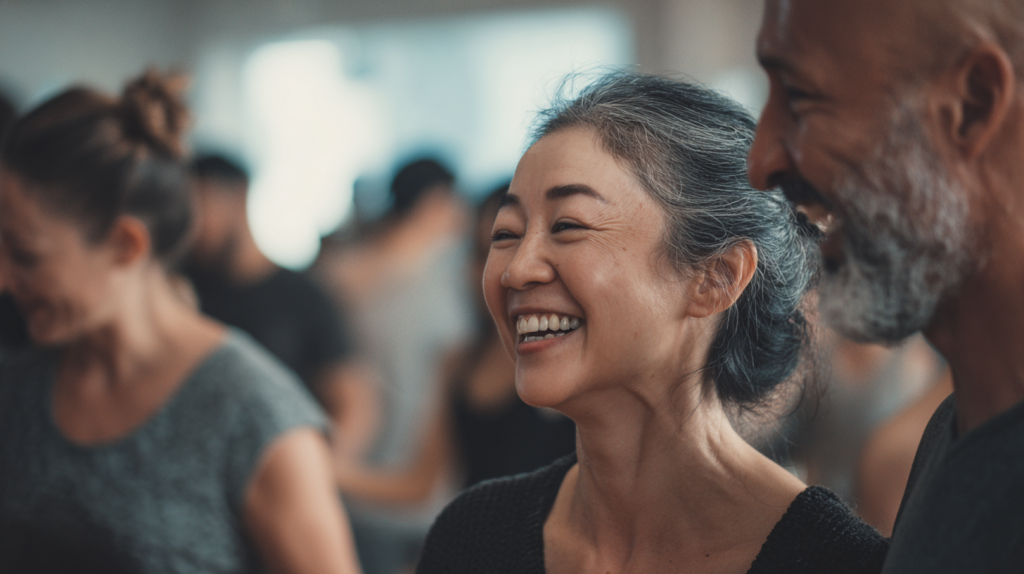
Starting dance as an adult is exciting—but if you skip your warm-up, you’ll feel it the next day.
A good warm-up doesn’t just loosen your muscles; it prepares your mind, improves coordination, and helps you move with confidence.
This 10-minute, beginner-friendly warm-up is designed specifically for Sydney adults attending their first dance session. You can do it anywhere—home, studio, or even in the office before class.
Why Warming Up Matters
Your body needs time to shift from sitting mode to moving mode. A quick warm-up:
-
Increases blood flow and flexibility.
-
Reduces risk of strains or stiffness.
-
Helps you focus and find rhythm faster.
Skipping it can make your first steps feel heavy and awkward. Five to ten minutes now saves soreness tomorrow.
Minute 1–2: Breathe and Reset Your Posture
Start with calm breathing:
-
Inhale through the nose for four counts.
-
Exhale through the mouth for four counts.
As you breathe, roll your shoulders up, back, and down.
Align your head, shoulders, and hips.
This releases tension from long hours of sitting or driving.
Minute 3–4: Gentle Cardio Activation
March lightly on the spot.
Add a sway or shoulder roll to get into rhythm.
Swing your arms gently—nothing fancy, just loosening up.
This warms your joints, raises your heart rate slightly, and wakes up your coordination.
Minute 5–6: Hip & Ankle Mobility
Do slow hip circles, both directions (8 times each).
Follow with ankle rolls—10 each way per foot.
Finish by flexing and pointing your toes.
These areas carry your balance in every dance. Keep them mobile and pain-free.
Minute 7–8: Core & Balance Prep
Stand tall.
Engage your core slightly (think “brace, don’t squeeze”).
Lift one foot off the ground for 5–10 seconds, switch sides.
Try gentle torso twists to engage your spine and waist.
You’re training balance without even noticing.
Minute 9–10: Find the Music
Put on your favourite upbeat song.
Step side-to-side in time with the rhythm.
Add light shoulder movement or claps.
Smile—it’s your first mini dance. The warm-up is complete once your body feels light and your mind relaxed.
When to Do This Routine
-
Before every dance class.
-
During short breaks at work to stay mobile.
-
Before home practice sessions.
It’s short enough to fit anywhere, yet powerful enough to transform how you move.
Extra Tips
-
Keep movements smooth, not rushed.
-
Breathe through every step.
-
Listen to your body—pain means pause.
-
Combine this warm-up with stretches after dancing for best results.
Once you’re ready, bring your energy to structured beginner sessions at Best Beginner Dance Classes Sydney. You’ll learn safely, build fitness, and enjoy movement in a fun, social space.
Conclusion
The best dancers aren’t just skilled—they’re prepared. A simple 10-minute warm-up keeps your body loose, your joints happy, and your confidence high.
Next time you step into class, give yourself those few minutes to breathe, move, and connect. Your future self (and your muscles) will thank you.
FAQs
A warm-up prepares your muscles and joints for movement, reducing the risk of stiffness or injury. It also improves blood flow and coordination, helping you move comfortably from the first song.
Five to ten minutes is ideal for most adults. Longer warm-ups aren’t necessary unless you’re training intensively. The goal is to raise body temperature gently and loosen key joints.
Yes. It’s designed for small spaces and requires no equipment. Perfect for apartments or office environments before evening classes or socials.
Choose mid-tempo songs (90–110 BPM). They’re slow enough to control movement yet upbeat enough to engage rhythm. Pop, Latin, or jazz tracks work well.
Even two minutes helps. Focus on posture, shoulders, and hips—the key areas most affected by sitting. Consistency matters more than duration.
Yes. Simple drills like single-leg stands or hip circles activate stabiliser muscles that support balance. Over time, these improve posture and coordination in dance.
No. Stretching lengthens muscles, while warming up increases circulation and mobility. Always warm up first; save deeper stretches for after dancing.
Definitely. Even short practice sessions benefit from a warm-up. It keeps movements smooth and prevents strain, especially if you’ve been sitting all day.
Yes. It’s gentle, low-impact, and adjustable. Move slowly, avoid locking joints, and use support if needed. Perfect for adults returning to movement after years of inactivity.
Explore Best Beginner Dance Classes Sydney. Instructors teach adults safe warm-ups, foundational steps, and movement techniques in a friendly, supportive environment.

