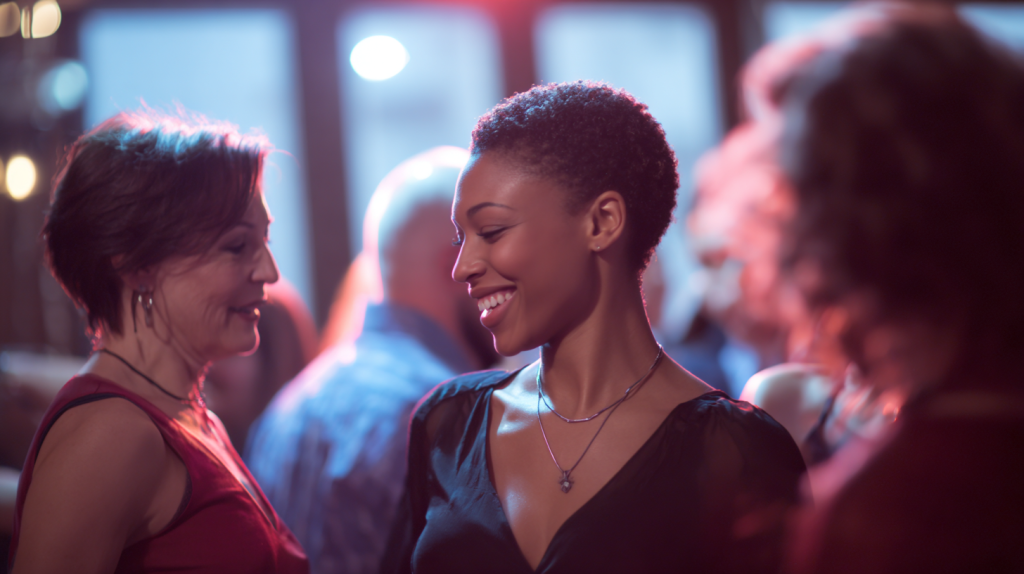
Think your apartment is too small to practise dancing? Think again. You don’t need a studio, a mirror wall, or even much floor space to build rhythm, balance, and confidence. Whether you live in a Sydney apartment or share a small home, there are easy ways to improve your dancing in just a couple of square metres.
This guide shares 10 space-friendly drills that keep your skills sharp, your confidence growing, and your feet moving—without upsetting the neighbours.
Why Small-Space Practice Works
Dance isn’t about grand gestures—it’s about body control, rhythm, and timing. When you practise in tight spaces, you develop precision and balance.
Small-area training helps you:
-
Strengthen posture and stability.
-
Improve musical timing without distractions.
-
Reinforce muscle memory through repetition.
-
Stay active between studio sessions.
A few minutes daily can make you noticeably smoother on the dance floor.
1. The Weight-Shift Metronome
Stand with feet hip-width apart. Step side to side, slowly transferring your full weight from one leg to the other.
Count 1–2–3–4 in time with the beat.
Focus on feeling your weight shift cleanly. This builds rhythm and balance—the foundation of every dance style.
2. The Box Step
This simple pattern works for Ballroom, Latin, or Social dancing.
Imagine drawing a small square on the floor: forward, side, close, back, side, close.
Keep your steps small and light.
Even in a two-metre area, you can refine control and coordination.
3. The Step-Tap Flow
Pick a song at a steady tempo. Step right, tap left, step left, tap right.
Stay relaxed and let your upper body sway naturally.
This basic move trains musical timing and keeps your energy fluid.
4. The Quarter Turn Drill
Pivot 90 degrees on the ball of your foot, alternating sides.
Start slowly, keeping your knees soft and your back straight.
This teaches you smooth rotation and control without taking up space.
5. The Posture Reset
Stand tall. Roll your shoulders back, engage your core, and relax your neck.
Check yourself in a mirror or window reflection.
Good posture improves every aspect of your dancing—balance, movement, and appearance.
6. The Arm Isolation
Raise your arms to chest height and practise moving them smoothly while keeping the rest of your body still.
Focus on flow and control, not speed.
This adds polish to your frame and styling when you return to class.
7. The Timing Ladder
Play three songs: slow, medium, and fast.
Use a simple step-tap to match each speed.
Switch songs every 30 seconds.
This helps you adjust your timing naturally, an essential skill for social dance nights in Sydney.
8. The Balance Test
Stand on one leg for 10–20 seconds. Switch sides.
Close your eyes for a tougher challenge.
Balance training improves spins, pivots, and confidence on the dance floor.
9. The Hip Mobility Warm-Up
Draw gentle circles with your hips while keeping your upper body still.
Do eight slow circles each direction.
Looser hips make Latin and Ballroom styles feel easier and more natural.
10. The Rhythm Shadow
Put on a favourite song and “shadow dance.” Imagine you’re leading or following an invisible partner.
Keep your frame gentle, movements compact, and steps small.
This builds connection awareness and helps introverts practise comfortably at home before attending socials.
How to Stay Consistent
-
Schedule short sessions: Five minutes in the morning or before dinner works best.
-
Use mirrors or phone cameras: They give feedback without needing a partner.
-
Celebrate mini-milestones: Each improvement in balance, timing, or posture counts.
When you’re ready for guided progression, join structured programs like Best Beginner Dance Classes Sydney. You’ll apply what you’ve learned in a welcoming, real-world environment.
Tips for Small-Space Safety
-
Clear the area—remove rugs or cables.
-
Wear smooth-soled shoes or dance in socks.
-
Keep movements compact to avoid hitting furniture.
-
Stay mindful of noise levels if you have downstairs neighbours.
A tidy, safe practice zone means no interruptions—and fewer stubbed toes.
Why Micro-Drills Work for Beginners
Short, frequent sessions help your brain retain coordination better than long, occasional ones.
Even 10 minutes of movement daily builds rhythm faster than a single weekly class.
Combine these drills with social dancing or classes for the best results.
Conclusion
Don’t let limited space limit your progress. Small-area practice builds consistency, precision, and body awareness—core skills every dancer needs.
Start with just two or three drills a day, stay patient, and keep it fun. When you’re ready to experience what you’ve learned in a studio setting, visit Best Beginner Dance Classes Sydney. You’ll be amazed at how much smoother and more confident you already feel.
FAQs
Yes. Most foundational skills—timing, posture, weight transfer, and coordination—can be trained in a tiny space. Short daily drills improve control and rhythm without requiring large movements or mirrors.
About two square metres is enough. Clear a small section of your living room, hallway, or balcony. Focus on compact steps rather than large strides. It’s about repetition, not range.
Choose smooth-soled sneakers, dance flats, or socks for gentle turns. Avoid sticky soles or high heels, which can strain knees. If your floor is slippery, go barefoot for stability.
Practise 10–15 minutes, three to five times a week. Consistency matters more than duration. Over time, these short sessions will noticeably improve balance and timing.
Absolutely. Solo repetition improves control and confidence. When you attend socials or beginner classes, you’ll find coordination comes naturally because you’ve built solid muscle memory.
Music helps maintain rhythm, but it’s not mandatory. You can also count beats aloud or use a metronome app. Once you’re comfortable, practising to music adds fun and flow.
Set a simple routine—perhaps one song each morning. Track progress weekly and reward small wins. Changing playlists or alternating drills keeps sessions fresh and enjoyable.
It’s an excellent supplement, not a replacement. Home drills reinforce what you learn in class. For technique, connection, and community, structured lessons such as Best Beginner Dance Classes Sydney are essential.
Probably not if you keep steps small and controlled. Use softer shoes, stay mindful of late hours, and avoid stomping or jumping moves. Smooth movements make little noise and protect your joints.
Anytime you have energy and focus. Morning sessions energise your day, while evening practice helps unwind after work. The best time is the one you’ll stick to consistently.